Maso Automotive boosts line throughput by 60.8%
read
Published Feb 9, 2026
The Problem
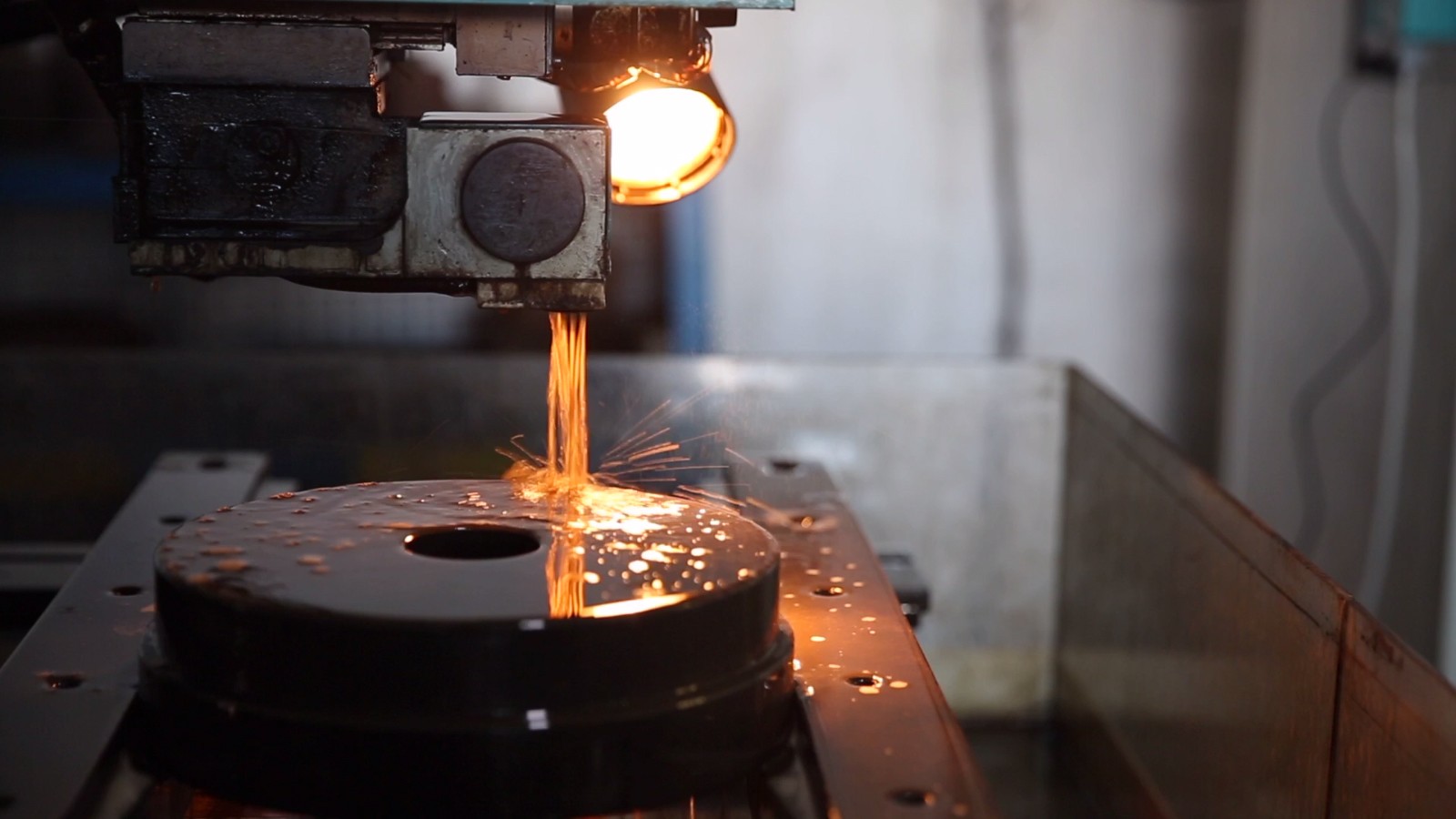
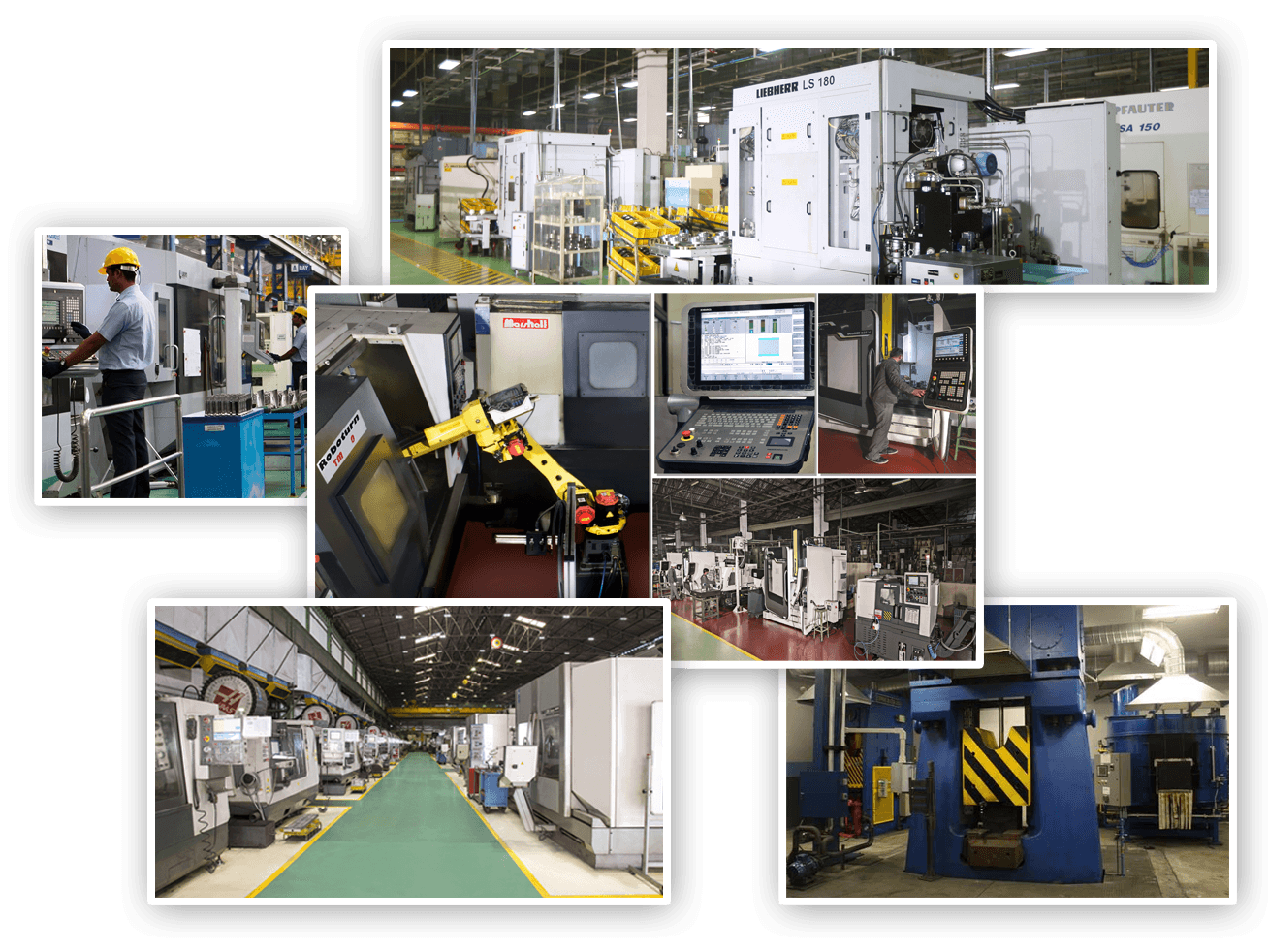
Maso Automotive had made significant investments in IoT systems that delivered complete, real-time visibility into machine performance. However, the factory’s biggest production bottlenecks didn’t come from machines—they came from manual labor. Operator-dependent processes had no real-time tracking, relying instead on delayed reports and assumptions. As a result, management could see machines running optimally while overall output still lagged behind targets.
The Old Ways
Manual logbooks and paper trails
Production activity was recorded in handwritten logbooks & data was fragmented. By the time patterns or issues were identified, the opportunity to act had long passed.
Human supervision
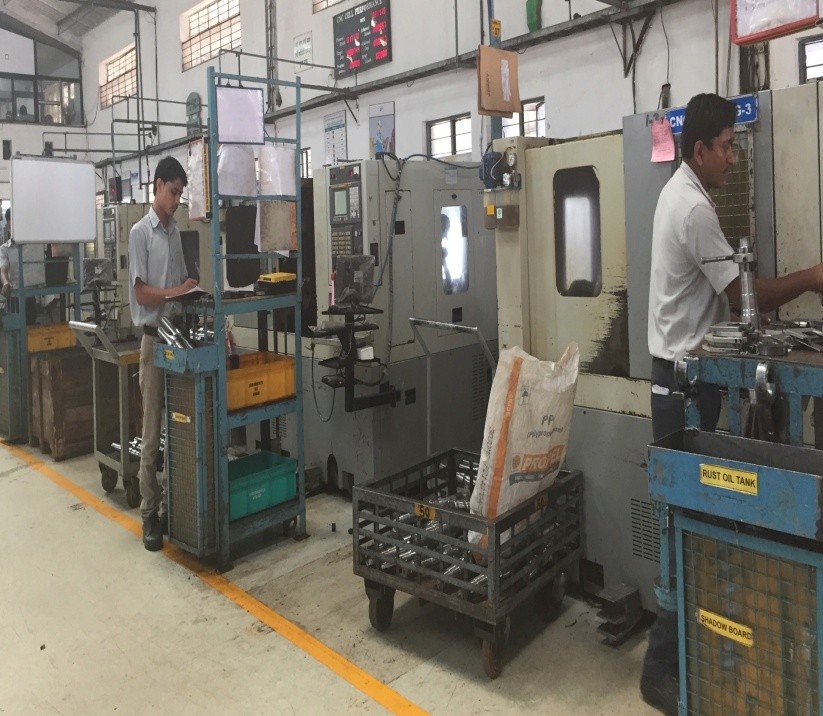
A single supervisor was often responsible for overseeing 20+ operators across multiple manual workstations. With limited time, supervision became observational rather than data-driven.
Experience-based decision making
In the absence of reliable data, decisions were driven by intuition, seniority, or past experience. While valuable, this subjective approach made it difficult to challenge assumptions, standardize improvements, or consistently scale best practices across the entire shop-floor.
The New Way with Optifye
Real-time visibility of manual production
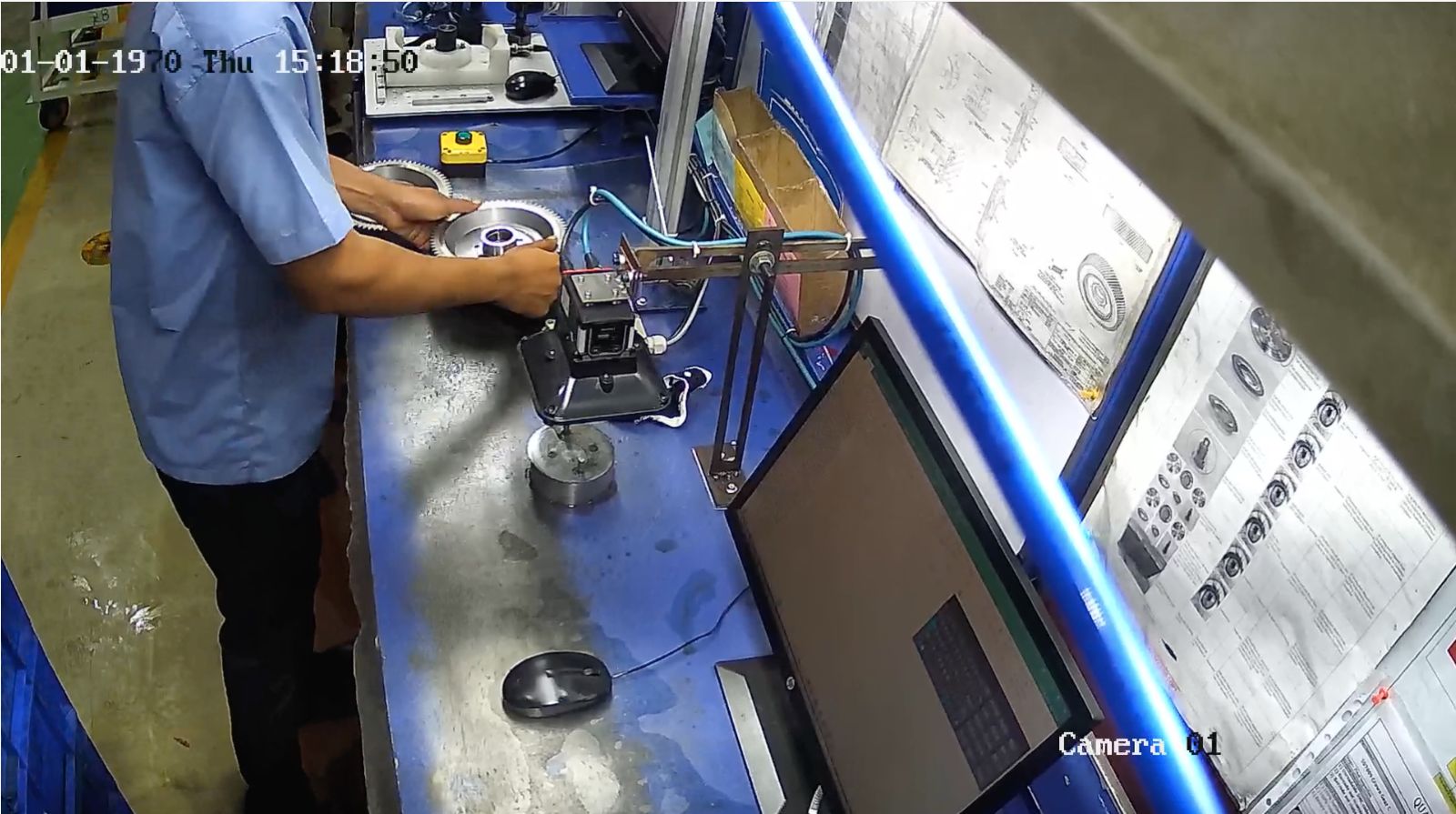
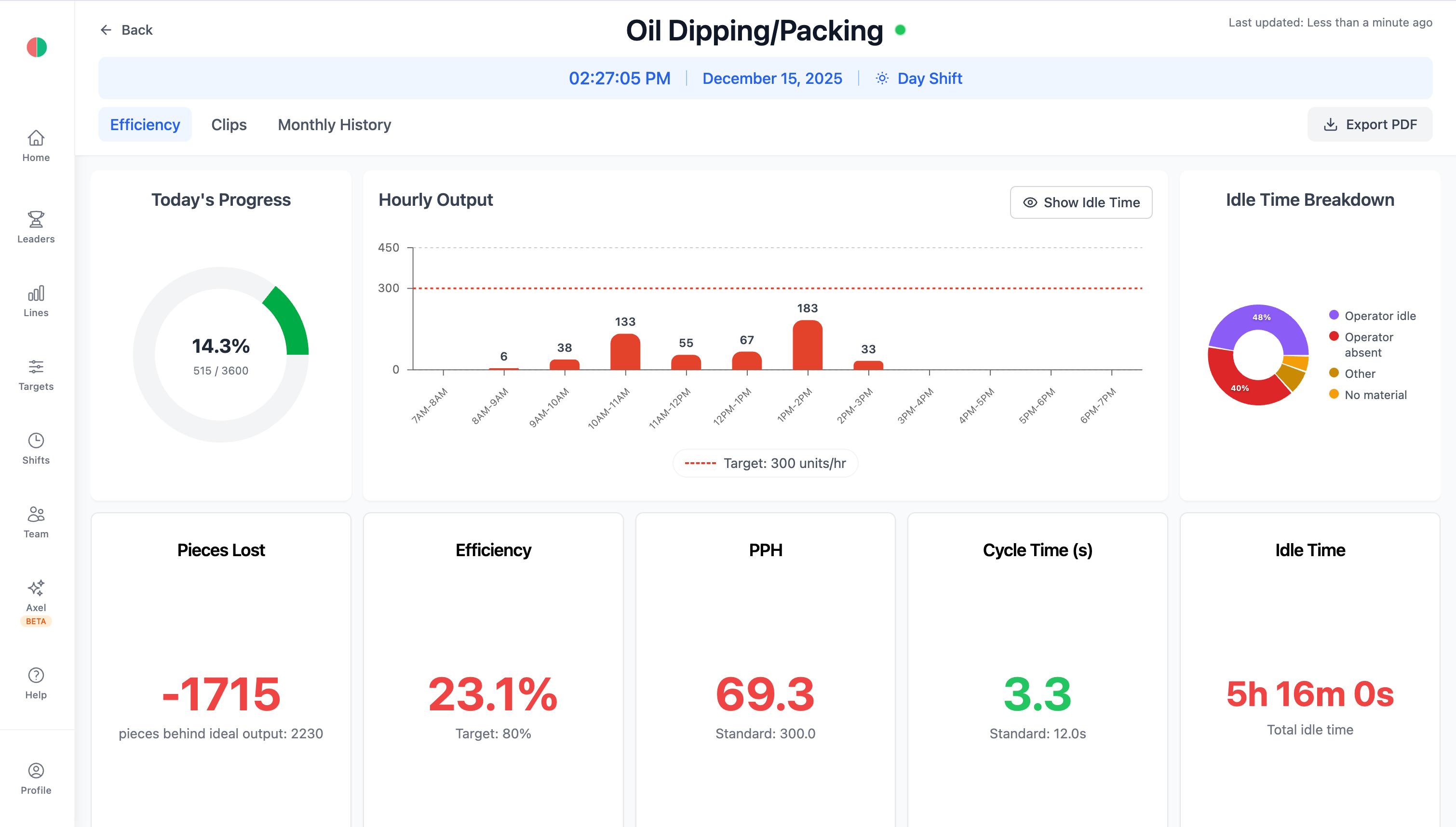
Optifye delivered live, operator- and workstation-level visibility across manual processes. For the first time, supervisors could see production as it happened—allowing them to course-correct immediately instead of reacting after losses had already happened.
Increased accountability and stakeholder alignment
A single, shared source of truth aligned operators, supervisors, and management around the same efficiency goals. Performance was transparent and objective, fostering a culture of accountability where discussions shifted from opinions to facts—and improvement became a collective responsibility.
Accurate quantification of workstation idle time
Continuous monitoring revealed that micro-stoppages across manual stations were adding up to nearly 1 hour of idle time per workstation per shift. This transformed idle time from an invisible issue into a measurable, actionable opportunity for productivity gains.
Data-driven standard target redefinition
Optifye showed that stopwatch analysis based standards did not reflect real working conditions. By analyzing actual cycle times at scale, Maso Automotive recalibrated targets based on real operational data.
Results in the first 3 weeks
60.8% increase in manual line throughput
Elimination of entire night shift
Maso Automotive has now decided to a full-scale rollout of Optifye across all manual operations in the plant. With IoT systems observing their machines & Optifye AI cameras monitoring operators - Maso automotive has achieved their goal of a fully digitalized & paper-less shop-floor.