HEADQUARTERS
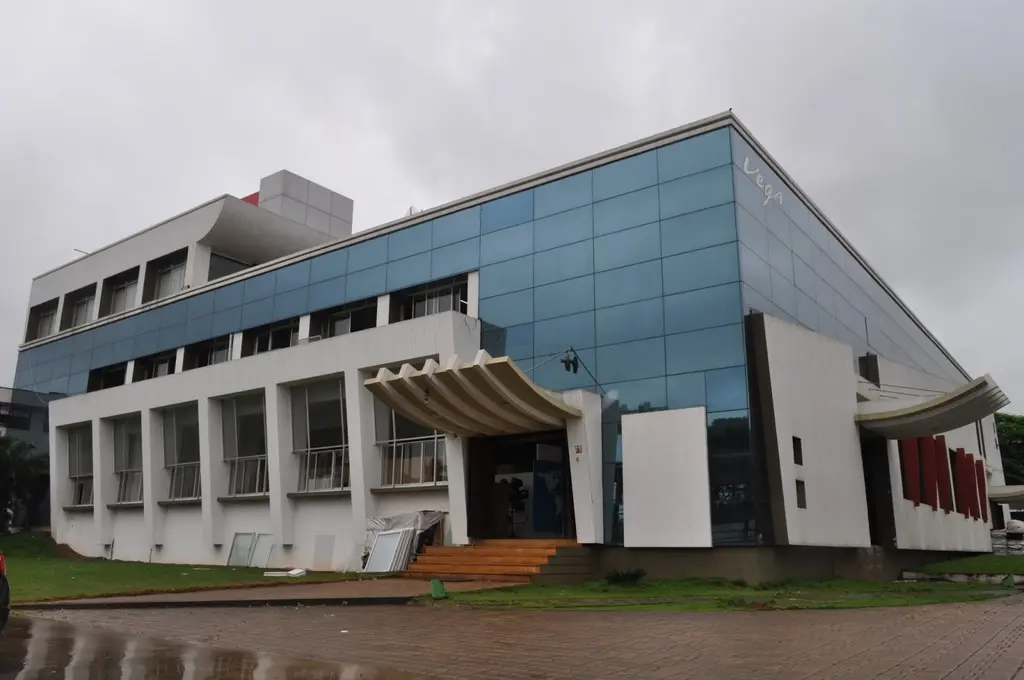
Indore, MP
EMPLOYEE STRENGTH
1,000+
INDUSTRY
Industrial Equipment
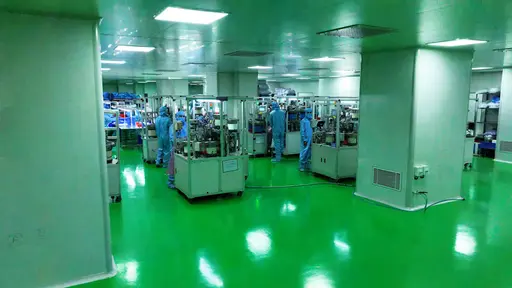
A top industrial manufacturer operating two large plants in Indore, India —located nearly 30 km apart—was facing massive demand growth driven by rapid business expansion. While order volumes surged, operational visibility did not scale at the same pace.
Production teams struggled to keep up with rising demand, with limited real-time insight into shop-floor performance across plants. Decision-making relied on delayed, data, making it difficult to respond quickly.

Gaurav Gujjar
Operations, Leading industrial manufacturer
OLD WAYS
The Old Ways
IoT and vision systems
The company experimented with multiple IoT and vision-AI vendors to monitor manual operations. However, these systems were rigid and hard-coded, struggled with process variability, and failed to adapt on the shop floor—resulting in unreliable data and limited adoption.
Visual supervision at scale
Supervisors relied on visual checks to monitor performance, but each supervisor was responsible for 30+ operators. As demand increased, this span of control continued to grow, making oversight increasingly ineffective.
Production logbook
Actual output was measured by weighing finished goods at the end of the shift or batch & logging that in a production logbook. While this confirmed what had been produced, it offered no opportunity to intervene during execution—issues were discovered only after targets were already missed.

Sandeep Mishra
Operations, Leading industrial manufacturer
THE SOLUTION
The New Way with Optifye
Remote, real-time production visibility
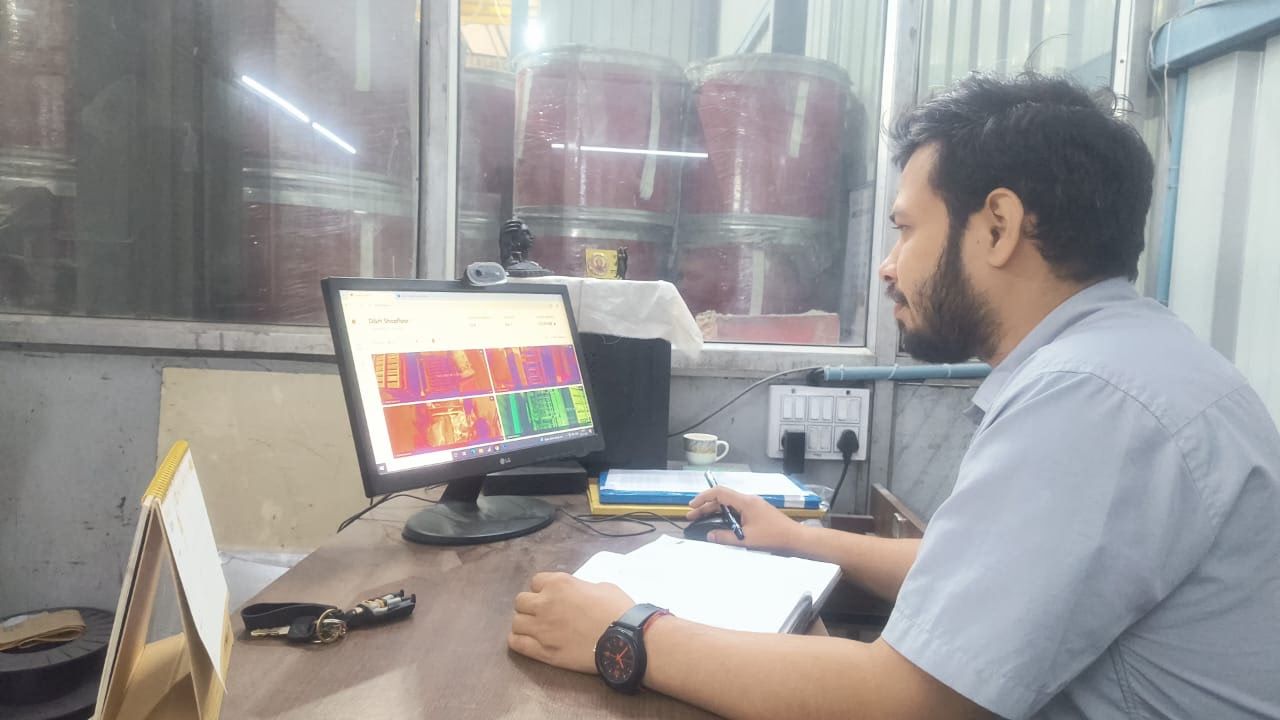
Optifye enabled the head office in Mumbai to monitor live production across both Indore plants. Leadership gained real-time visibility into shop-floor performance without being physically present—allowing faster, more informed decisions at scale.
Unlocking hidden throughput potential
Live cycle-time data revealed that actual cycle times were nearly half of the existing standard targets. This insight showed that the plant could potentially 2× throughput by realigning standards with real operating conditions.
Fostering a culture of accountability
Continuous, operator-level monitoring created clear accountability on the shop floor. The shop-floor went from being reactive
Autonomous diagnosis of long-run production issues
Optifye’s Improvement Center continuously analyzed production data to surface issues that emerged over long time horizons—patterns that were previously invisible in day-to-day operations. This allowed the operations team to spend more time solving problems instead of searching for them.
RESULTS
Results in the first 10 weeks
33% boost in operational efficiency
20% reduction in actual cycle times
15% reduction in idle time per workstation
With over 80 Optifye AI cameras deployed across both units, this manufacturer has created a control room at their Mumbai head office. They now have an Industrial engineering team remotely monitoring their data & driving continuous improvement without having to constantly be on the shop-floor.