HEADQUARTERS
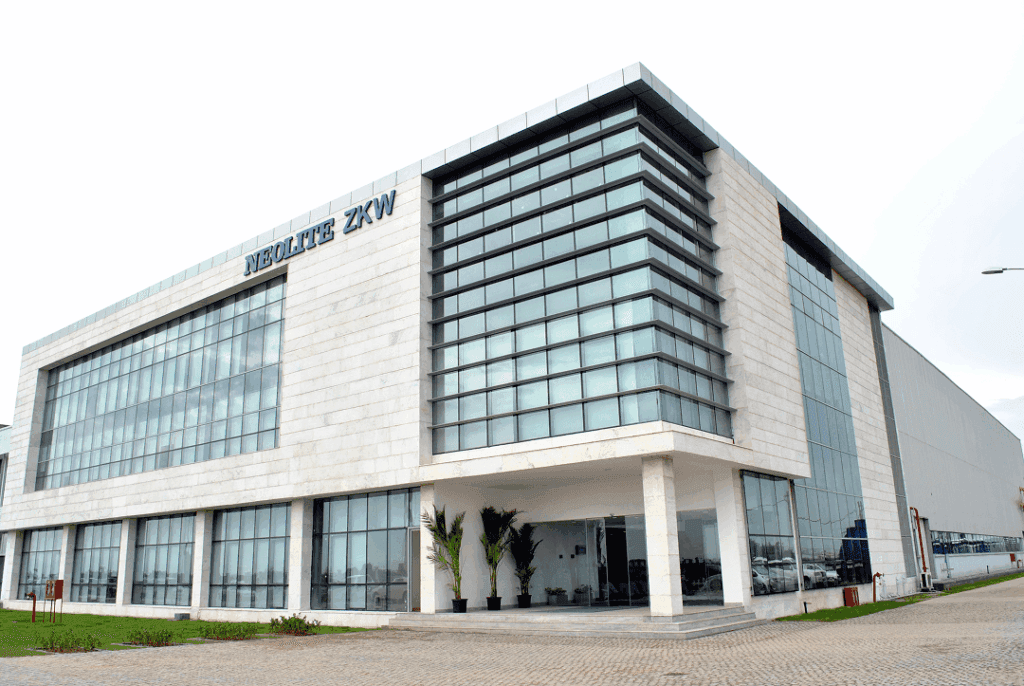
Belgaum, KA
EMPLOYEE STRENGTH
3,000+
INDUSTRY
Helmets
Visit Website
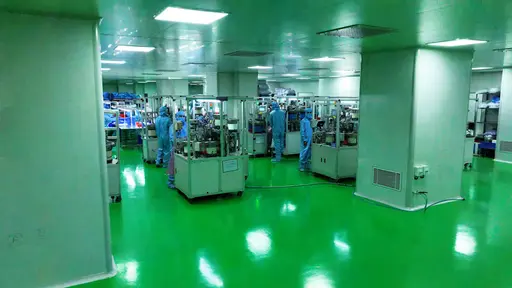
Vega is a leading manufacturer of protective headgear, securing a global community of motorcyclists. Its engineering team supports a diverse base of riders, from daily commuters to long-distance tourers, for whom every standard of impact protection and comfort is vital.
As Vega scaled production and demand increased across its helmet portfolio, maintaining shop-floor visibility and operational control became increasingly difficult. Higher output targets, more product variants, and millions of units moving through production made it harder to track efficiency, identify bottlenecks, and ensure every line was performing to target. Vega needed a more reliable way to monitor production in real time, understand where time was being lost, and improve throughput across its manufacturing operations.

Bhavesh Tupare
Sr. Manager Value Engineering, Vega Auto
OLD WAYS
Large scale. Little Visibility.
Periodic IE visits to off-site plants
Industrial Engineering teams visited remote factories only occasionally. Once they left, real shop-floor performance became invisible until the next scheduled visit—creating long gaps in oversight and limited day-to-day visibility.
Manual observations and time studies
Performance measurement depended on in-person observation and stopwatch-based sampling. These snapshots captured only partial realities, missing variability, execution gaps, and the true operating conditions on the floor.
Manual production logbook
At the end of each shift, the production logbook only provided visibility into line wise output . However, they did not know which workstations of the line were causing these productivity issues & what was affecting these workstations.
Abhay Patroti
Value Engineering Lead, Vega Auto
THE SOLUTION
No more manual time studies.
Monitor individual operator productivity at a 98.5% accuracy
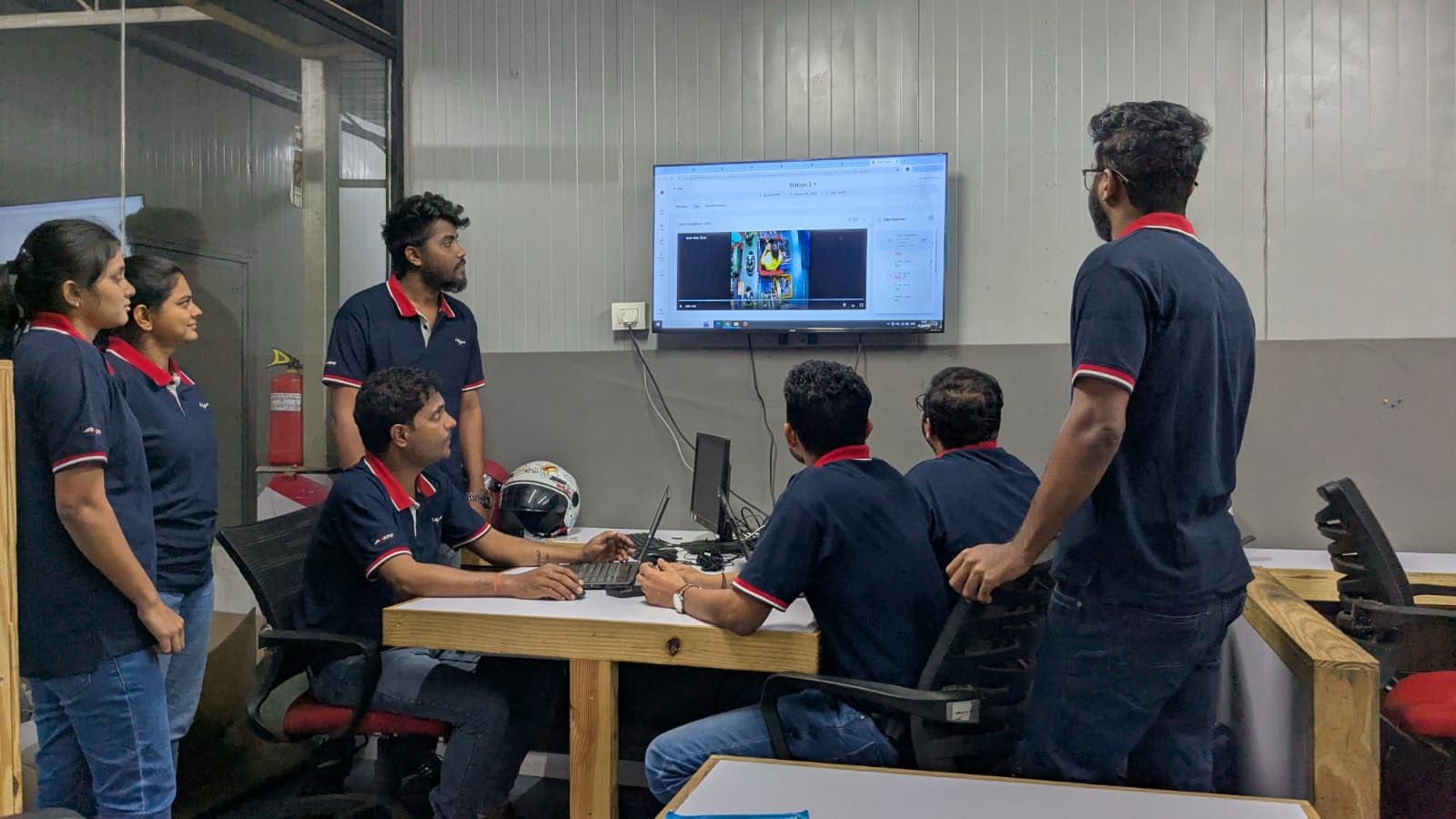
For the first time ever, the Vega team now knew how each operator across all plants was performing and as a result, knew exactly why line output was suffering. By focusing, on lesser efficient workstations in real-time, they were able to consistently reach targets.
Develop a operator skill matrix based on real production performance
By monitoring individual operator performance daily, they were able to automatically create an operator skill matrix based on real performance. This helped Vega place skilled operators in areas that were previously systemic bottlenecks.
Quantify idle time
For the first time, the team measured operator-wise idle time and identified that operators were idle for ~54 minutes per shift on average. Optifye's idle time analysis agent revealed that the biggest reason for this was there being a lack of input material.
Benchmark the same processes across multiple plants
The Vega team used Optifye to compare how different operators across different plants were performing on the same process. This helped the team drive process improvements & redesign production SOPs.
RESULTS
Results in the first 8 weeks
32% increase in efficiency
16% reduction in operator idle time
The Vega auto value engineering team says that they are still far from realizing the actual potential of their factory.
With Optifye, they now have complete visibility into production & have aligned all stakeholders towards the singular objective of boosting efficiency.